
Beginner Tips for Mindful Breathing Breaks
qajutuo.pro >> Breathing>>Mindfulness>> Beginner Tips for Mindful Breathing Breaks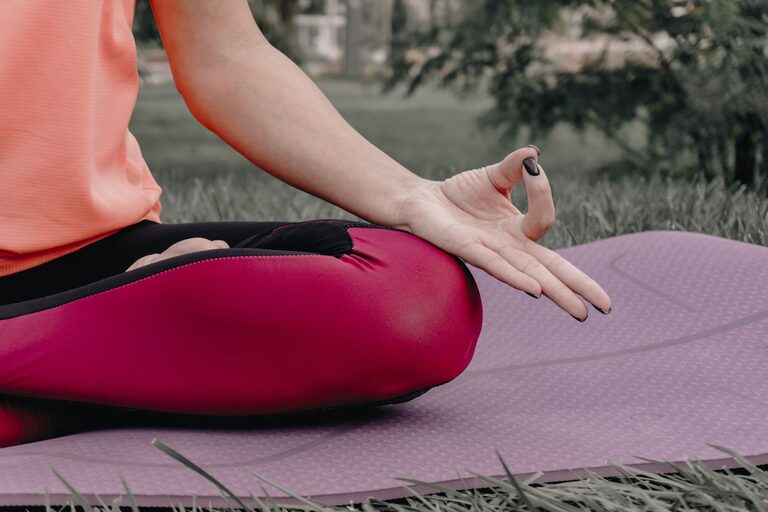
Beginner Tips for Mindful Breathing Breaks
Taking mindful breathing breaks is a simple yet powerful way to calm the mind and recharge your energy. Whether you’re at work, home, or on the go, pausing to focus on your breath can improve your mood, increase focus, and reduce feelings of stress. If you’re new to mindful breathing, this guide will walk you through beginner-friendly tips to make the most of these short moments.
What is Mindful Breathing?
Mindful breathing means paying close attention to your breath — noticing its natural rhythm in and out without trying to change it. This awareness helps anchor you in the present moment, letting go of distracting thoughts and worries. Unlike deep breathing exercises that may focus on lengthening breaths, mindful breathing encourages gentle observation and acceptance.
Why Take Mindful Breathing Breaks?
– Stress relief: Breathing mindfully activates the body’s relaxation response, helping to lower stress hormones.
– Improved focus: A few minutes of breathing awareness can clear your mind and refresh your concentration.
– Emotional balance: Mindful breathing helps you recognize emotions without judgment, promoting calmness.
– Better decision-making: Being present and clear-headed supports thoughtful choices.
– Physical benefits: It can reduce muscle tension and lower blood pressure over time.
Even short breaks, just one to five minutes long, can provide noticeable benefits. The key is consistency and making mindful breathing a regular part of your routine.
How to Get Started with Mindful Breathing Breaks
1. Choose a Comfortable Position
You don’t need to sit cross-legged on the floor (unless you want to). You can:
– Sit in a chair with your feet flat on the ground
– Stand still if you prefer
– Lie down comfortably if that’s your preference
The most important thing is feeling stable and at ease, with your spine relatively straight.
2. Set a Timer
Especially for beginners, setting a timer for 1-5 minutes helps you stay focused without worrying about the clock. Many smartphone apps offer simple timers or guided breathing sessions.
3. Focus on Your Breath
Close your eyes if you feel comfortable, or soften your gaze. Notice how the air feels as it enters your nostrils, moves into your lungs, and then flows out. You can pay attention to:
– The rise and fall of your chest or belly
– The temperature of each breath (cool in, warm out)
– The rhythm or pace of your breathing
Don’t try to change your breath—just observe it as it naturally happens.
4. Gently Redirect Your Attention
Your mind will wander—that’s completely normal. When you notice your thoughts drifting, simply and kindly bring your attention back to your breath without judgment.
5. End Slowly
When your timer goes off, take an extra moment to feel your body and surroundings before opening your eyes or moving again. Notice how you feel compared to before the break.
Tips for Making Mindful Breathing a Habit
Start Small and Build Up
Begin with just one minute a day and gradually increase as you feel more comfortable.
Pair Breathing Breaks with Daily Activities
Try mindful breathing before meals, during a commute stop, or after a stressful meeting to reinforce the habit.
Use Reminders
Set phone alarms or sticky notes in your workspace to remind yourself to take breathing breaks.
Experiment with Different Techniques
If you want to explore more variety, try these beginner-friendly breathing methods:
– 4-7-8 Breathing: Inhale for 4 seconds, hold for 7 seconds, exhale for 8 seconds
– Box Breathing: Inhale for 4 seconds, hold for 4 seconds, exhale for 4 seconds, hold for 4 seconds
– Counting Breaths: Count “one” as you inhale, “two” as you exhale, continuing up to 10 and then start over
Choose what feels easiest and most calming for you.
Common Challenges and How to Overcome Them
– Mind wandering too much: Remember this is normal. Gently guide your attention back without frustration.
– Feeling restless or impatient: Start with shorter sessions and breathe with curiosity, not pressure.
– Forgetting to take breaks: Use visual or phone reminders until the habit forms naturally.
– Physical discomfort: Adjust your position or try breathing while standing or lying down instead of sitting.
Final Thoughts
Mindful breathing breaks offer a simple, accessible tool to enhance your well-being. With just a few mindful breaths throughout the day, you can cultivate greater calmness, clarity, and resilience. Remember, it’s not about perfection but about gently bringing your attention back to the present moment again and again. Start small, be patient with yourself, and enjoy the peaceful moments mindful breathing can bring to your daily routine.